3 FREE Bioinformatics Certifications for Microbiologists

Career Advice 2026
3 Bioinformatics Certifications for Microbiology Students Transitioning to Data
I recently spoke with a recent microbiology graduate who felt completely stuck. They spent their entire degree mastering wet lab techniques. They knew how to streak agar plates, isolate bacterial colonies, and run PCR.
Now, they wanted to move into bioinformatics, but they thought their wet lab background was useless in the data world. They assumed they had to start completely from scratch and compete with computer science graduates.
I told them that is the biggest misconception in the industry.
When you shift to computational biology, your microbiology background is your biggest asset. A programmer can write a loop, but only a microbiologist understands why a specific plasmid matters in antibiotic resistance or how a bacterial culture actually behaves in reality.
The secret to transitioning is proving you can connect the two worlds.
If you spent years studying bacterial cultures in a lab, your first computational project should not be a generic Python calculator or a random data visualization. It should be analyzing the exact same bacterial genomes using computational data. You need to show recruiters that your past wet lab knowledge fuels your new dry lab skills.
This is exactly how you build a selection ready profile. To help you bridge that gap and give you the exact digital proof you need to optimize your transition today, here are 3 training paths from top institutions. I have also included a specific portfolio project for each one to help you build verifiable digital proof based directly on your microbiology roots.
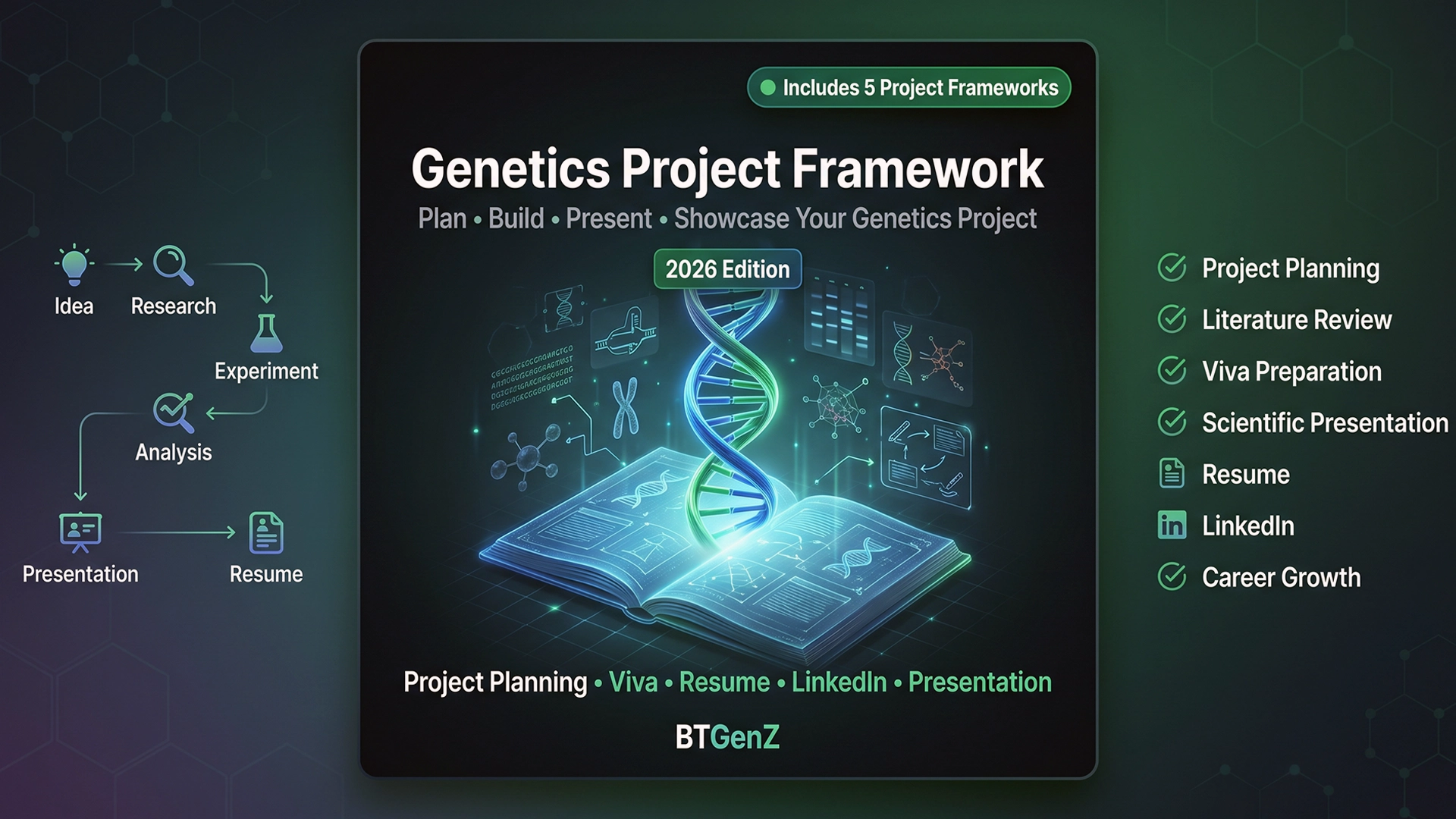
Build Your Genetics Project With Confidence.
Stop struggling with documentation and planning. Get the structured 2026 framework to plan, execute, and present your genetics project like a professional.
1. Genomic Data Science (Johns Hopkins University)
What it is: This is the perfect starting point. You will learn how to use command line tools to process massive sequencing datasets, taking the bacteria you used to look at under a microscope and analyzing their raw genetic code.
Beginner Project Idea (The Quality Control Report): Download a raw genomic dataset for a common pathogen like Staphylococcus aureus. Write an R script that generates a clean visualization of the sequence quality scores. Render the script and the 16:9 plot into an HTML report, proving to recruiters that you understand how to handle raw microbial data before assembly.
Get the "Python for Bioinfo Guide" Absolutely Free included with your order today!

Stop Guessing. Get Job-Ready in 90 Days.
Tired of random tutorials and useless certificates? Get the exact step-by-step framework to master the tools employers actually want in the correct order.
2. Metagenomics (Technical University of Denmark)
What it is: You already understand microbial communities from the lab. This course teaches you how to computationally assemble genomes from mixed environmental samples and track antimicrobial resistance without ever touching a petri dish.
Beginner Project Idea (The AMR Detection Workflow): Create a clean, visually appealing PDF outlining the computational pipeline used to identify Antimicrobial Resistance genes in a raw metagenomic sample. Detail the specific databases involved. Export this strictly as a 16:9 visual for your digital portfolio to prove you understand clinical bioinformatics applications.

Bioinformatics Project Guide
Stop wondering what to build. Get 5 resume-ready bioinformatics projects with curated datasets, recommended tools, GitHub structure, and clear implementation workflows.
Get the "Python for Bioinfo Guide" Absolutely Free included with your order today!
3. Bioinformatic Methods I (University of Toronto)
What it is: This provides the ultimate sequence alignment toolkit. You will learn how to build phylogenetic trees to track the evolutionary relationships between different bacterial strains.
Beginner Project Idea (The Outbreak Tracking Tree): Download the genetic sequences of a specific bacterial strain from three different geographic locations. Run a multiple sequence alignment and generate a phylogenetic tree. Take a clean 16:9 screenshot of your tree and write a brief explanation detailing how bioinformatics tracks the spread of microbial outbreaks.
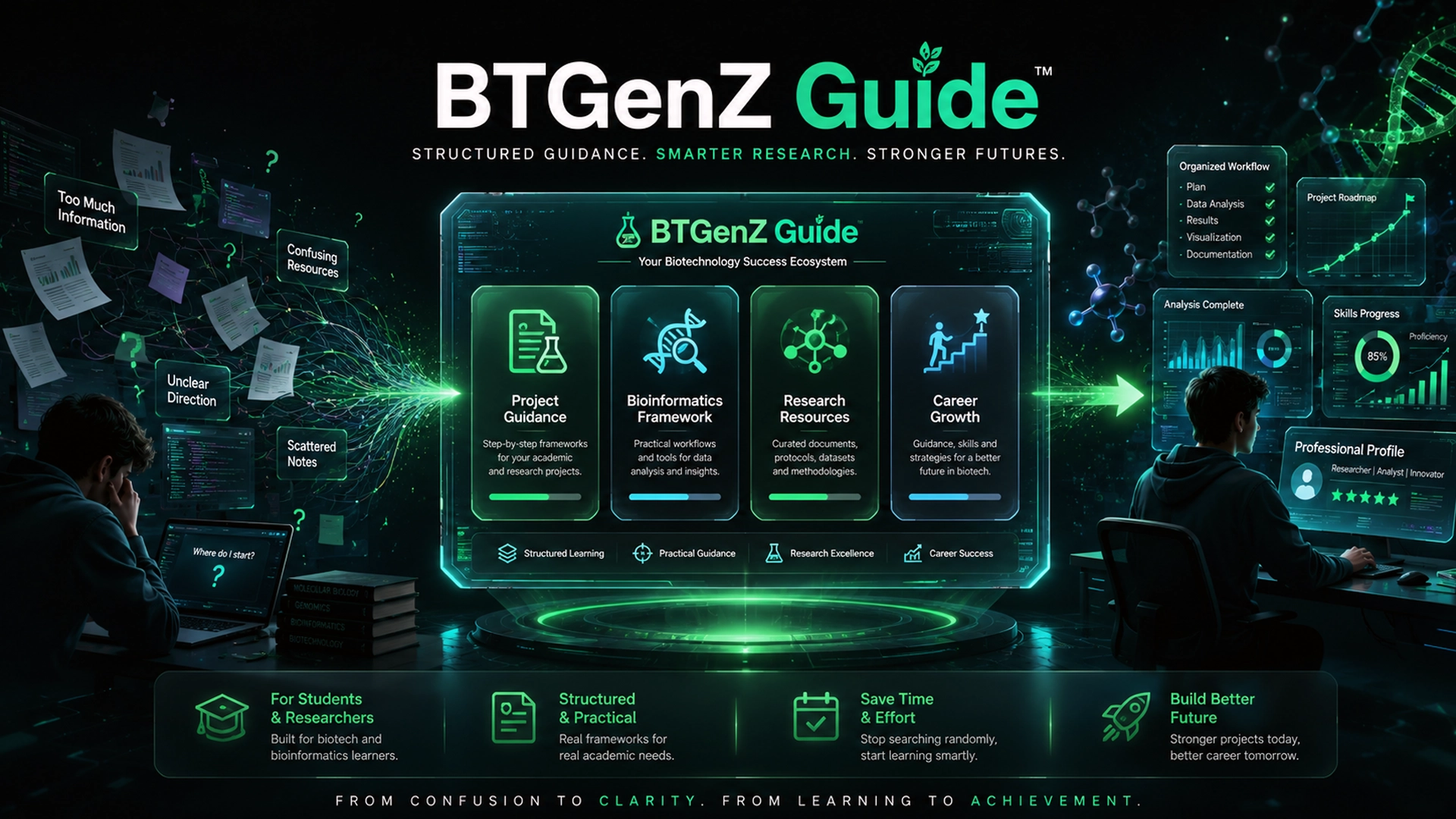
Find Your Next Step in Bioinformatics.
Confused about where to start or what to learn next? Browse our curated collection of guides, roadmaps, and tools designed to take you from beginner to job-ready.
The 10 Question Computational Microbiology Reality Check
When we evaluate resumes at BTGenZ, the students who have verifiable training in microbial data workflows immediately bypass the massive pile of generic applications. But once you sit down with a hiring manager, they will test if you actually ran the pipelines. Figure out the answers to these trap questions before your interview:
- Methodology: What is the fundamental computational difference between analyzing a single isolated bacterial genome versus analyzing a metagenomic sample?
- Gene Detection: How do you computationally identify an Antimicrobial Resistance (AMR) gene hidden within a newly sequenced bacterial genome?
- Taxonomy: Why is 16S rRNA sequencing specifically used for taxonomic classification of bacteria instead of sequencing the entire genome?
- Assembly Logic: What is the algorithmic difference between De Novo assembly and mapping reads to a known reference genome when analyzing a novel bacterial strain?
- Quality Control: How do bioinformaticians use the Phred quality score to computationally filter out unreliable base calls from raw sequencing data?
- Strain Comparison: When comparing two different strains of E coli, how do you computationally calculate the average nucleotide identity to confirm they belong to the same species?
- Structural Annotation: What is a plasmid, and how do computational tools distinguish plasmid DNA sequences from the main bacterial chromosome?
- Phylogenetics: How do you use phylogenetic trees to computationally trace the origin and evolutionary path of a hospital acquired bacterial outbreak?
- Viral Integration: What are the specific bioinformatics challenges when trying to computationally assemble viral genomes (bacteriophages) mixed within a bacterial sample?
- The Reality Test: A lab manager asks: "Our sequencing data shows multiple overlapping contigs that will not assemble perfectly." How do repetitive DNA sequences and transposons explain this computational issue?
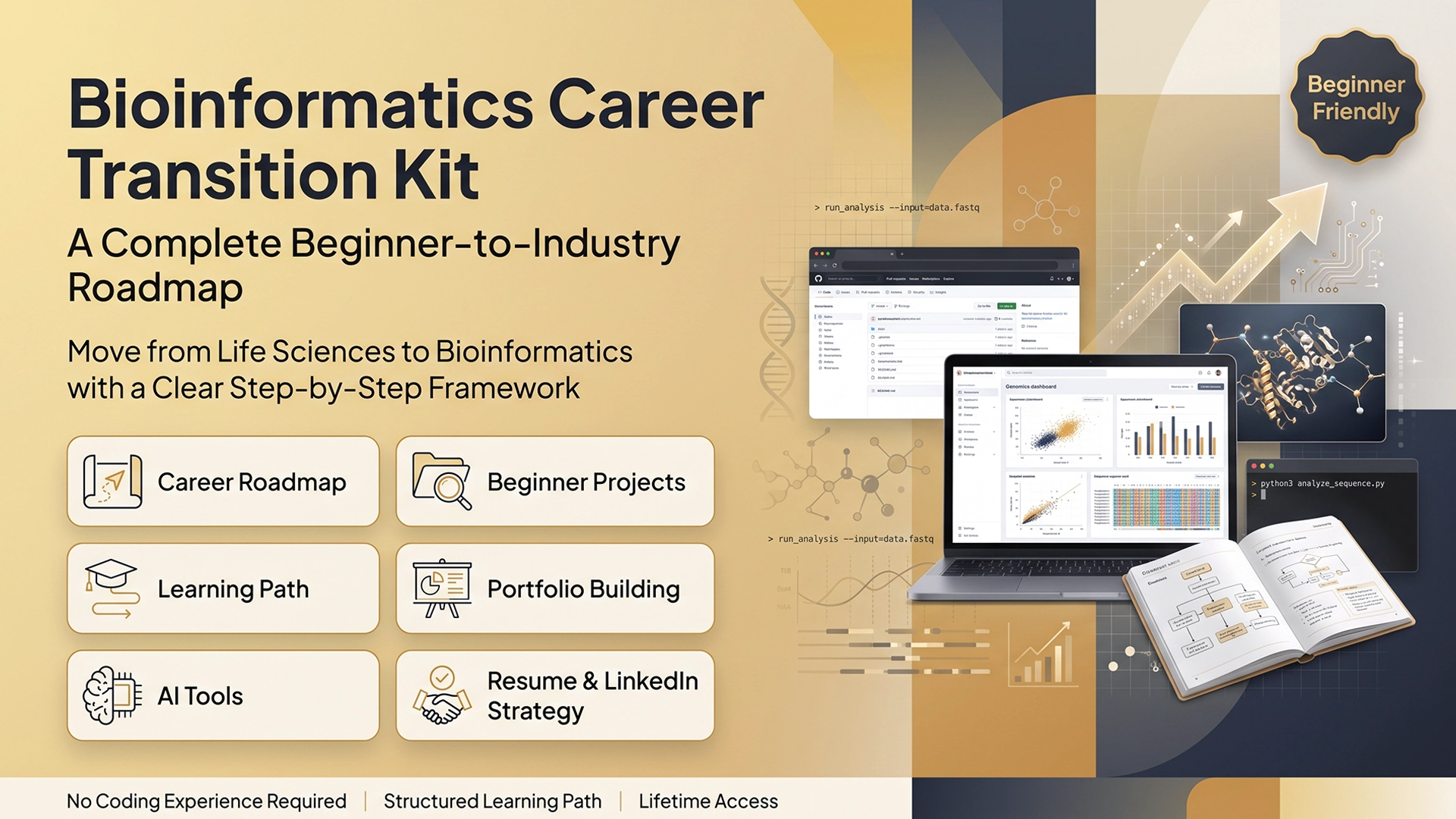
Skip the Confusion. Start Your Journey the Right Way.
Don't waste weeks on trial and error. Get the exact step-by-step guide to mastering the right tools and moving from total beginner to confident learner.
Get the "Python for Bioinfo Guide" Absolutely Free included with your order!
Your Technical Skills Deserve to be Seen
I know exactly how frustrating it is to spend months mastering new computational pipelines, only to send out dozens of applications and hear absolutely nothing back. The reality is that just listing tools like Python or R on a generic text resume no longer works. Recruiters are overwhelmed. If your technical depth is buried under basic formatting, you remain completely invisible.
You have to show them what you can do. Building a clean visual project that combines your microbiology background with your new computational skills proves to a hiring manager that you can actually execute the work.
If you need help figuring out exactly what steps to take next, I highly recommend downloading our complete Bioinformatics Roadmap over at guide.btgenz.in. It gives you a clear direction to start building your visibility without the guesswork.
Do not let your hard work stay hidden. Start building your proof today.
For guidance on your Portfolio and Project Showcase, visit portfolio.btgenz.in.
Looking for more resources? If you want to download project-related guidance, Click here to download.

Recruiters Decide Faster Than You Think.
Your resume, LinkedIn profile, projects, and certifications may be stronger than you realize. The real question is whether they are communicating the right message.
Questions? Reach us directly at connect@btgenz.in
Researchers Read:
Founder of BTGenZ. Passionate about simplifying biotechnology for the next generation and bridging the information gap for aspiring biotechnologists in India.

Related Reads
Loading commenting section...
Comments Section
No approved comments yet. Be the first to leave a comment!